


Lifestyle, relocation and the Coldwell Banker La Costa difference
Do you need a car in Puerto Vallarta?
Not necessarily. Many residents in central Puerto Vallarta live without a car by walking, taking city buses, which cost 11 pesos with the state transit card in 2026, and using taxis or apps such as Uber and DiDi. A car becomes more useful if you live on a steep hillside, in Riviera Nayarit or outside the city's main bus corridors.
Many buyers from the United States and Canada are used to driving everywhere, so one of the first questions they ask when they look at homes on Banderas Bay is whether they will need a car. The answer depends far more on where you live than on Puerto Vallarta as a whole. This guide explains how each option works and how to choose a home that fits a car-free or car-light life.
Is Puerto Vallarta walkable?
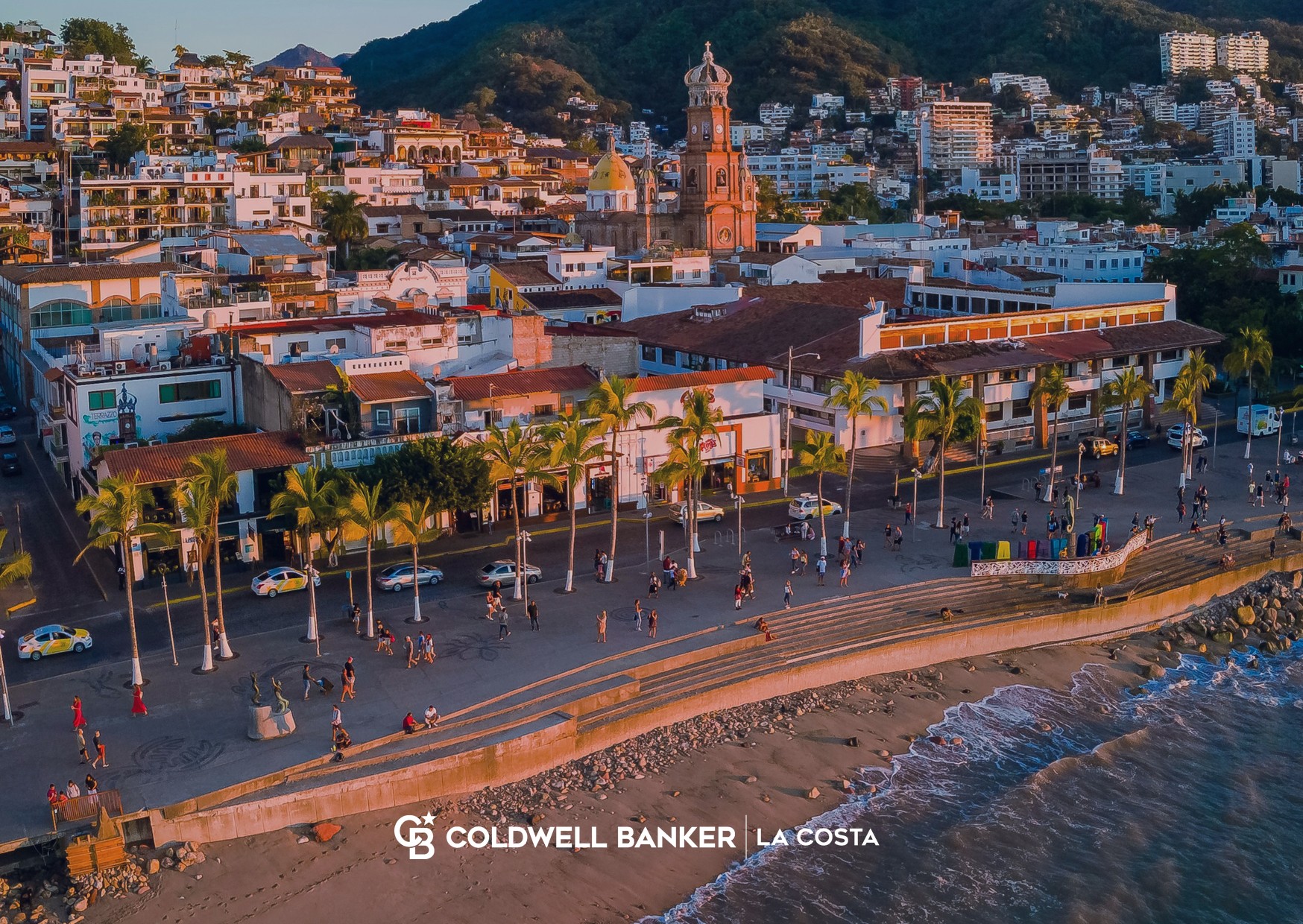
Parts of it are very walkable. The Zona Romántica and the Centro around the Malecón pack restaurants, groceries, pharmacies, services and the beach into a compact grid, and they are the easiest areas to live in on foot; our Zona Romántica guide covers that neighborhood in depth. Versalles and 5 de Diciembre are flatter residential neighborhoods with local markets and restaurants close by, and Marina Vallarta has a malecón walkway around the marina with shops and dining.
Walking is harder in the hillside neighborhoods. Areas such as Amapas and Conchas Chinas offer views because they climb steeply above the bay, with many stairs and narrow streets. Residents there often walk downhill and take a taxi or rideshare back up. Cobblestones, uneven sidewalks and summer heat are also part of daily walking, so good shoes and an early start help.
Puerto Vallarta is walkable where it is flat and dense; the higher the view, the more you will rely on taxis and rideshare.
How do buses work in Puerto Vallarta?
City buses connect the Zona Romántica, Centro, the Hotel Zone, Marina Vallarta, the airport area and many residential colonias. For 2026, the Jalisco state government set the standard fare at 11 pesos for riders who pay with the state transit card, through a 3 peso subsidy on a 14 peso technical fare, while riders without the card pay 14 pesos, according to Out and About PV (December 2025). The same report said students, seniors, teachers and people with disabilities pay 7 pesos, and that the card rollout was planned to begin in January 2026.
Payment methods have been changing as the new system rolls out, and some guides still describe buses as cash only, so carry small change until you confirm how your route accepts payment. Vallarta Adventures reported in July 2026 that late-night service between midnight and 5 a.m. costs more. Routes are marked on the windshield, you flag buses at stops, and you ask the driver to stop by saying "bajan" as you approach.
Buses to Riviera Nayarit
Regional buses also run north along the highway to Nuevo Vallarta, Bucerías and beyond, which makes day trips possible without a car. Service is less frequent than inside the city, so check schedules before relying on it for daily commuting. Our guide to Puerto Vallarta vs Riviera Nayarit compares the two areas.
How do taxis and rideshare work in Puerto Vallarta?
City taxis do not use meters, so agree on the fare before you ride, according to Vallarta Adventures (July 2026). Uber and DiDi operate in Puerto Vallarta, and inDrive received an operating permit in April 2026, although the same source reported that it may ask for a CURP, a Mexican population registry number, which can be a barrier for some foreign users. Apps show the price in advance and let you pay by card, which many newcomers find simpler.
- Taxis: easy to find in central areas; confirm the price first and carry pesos.
- Rideshare apps: upfront pricing and card payment; pickup points can vary in busy areas.
- Private drivers: some residents arrange a trusted driver for errands, shopping and airport runs.
How do you get to and from the airport without a car?
At Puerto Vallarta International Airport, official taxis sell prepaid tickets by zone. In October 2025, Vallarta Daily reported that the Jalisco governor said Uber drivers could pick up and drop off at the Guadalajara and Puerto Vallarta airports after a federal court suspension, but practice at the curb was still being sorted out. Many riders still meet app drivers near the pedestrian bridge outside the terminal, so confirm the pickup point in the app before you walk out.
Ways to get around Puerto Vallarta compared
| Option | Best for | What to know |
|---|---|---|
| Walking | Daily errands in Zona Romántica, Centro, Versalles, 5 de Diciembre, Marina Vallarta | Cobblestones, heat and hills; plan routes and timing |
| City bus | Low cost trips along main corridors | 11 pesos with the state card, 14 without (2026); carry change |
| Taxi | Short trips, hillside homes, evenings | No meters; agree on the fare first |
| Uber, DiDi, inDrive | Upfront pricing and card payment | inDrive may ask for a CURP; airport pickup points vary |
| Regional bus | Trips to Nuevo Vallarta, Bucerías and Riviera Nayarit | Less frequent; check schedules |
| Car | Hillside living, Riviera Nayarit, frequent day trips | Parking, insurance and permits add cost |
Sources: bus fares from Out and About PV (December 2025); taxi, rideshare and bus notes from Vallarta Adventures (July 2026); airport report from Vallarta Daily (October 2025).
How to choose a home if you will not drive
If you plan to live without a car, put location ahead of almost everything else on your list. A few questions help narrow the search:
- Can you walk to groceries, a pharmacy and a cafe in ten minutes or less?
- Is there a bus route on a nearby main street? Check where it goes and how often it runs.
- How steep is the street? A short walk on a map can be a long climb in summer heat.
- Is the building easy for taxis and deliveries to reach? Access matters for guests and groceries too.
- Do you need parking anyway? Even car-free owners may want a space for visitors or future resale appeal.
Our cost of living guide shows how transportation fits a monthly budget, and our relocation guide covers the rest of the move. If you do bring a car from the United States or Canada, our guide to residency visas in Mexico explains how residency status can affect vehicle rules.
For a car-free life in Puerto Vallarta, test the walk from the front door to the nearest market and bus stop before you fall in love with the view.
Our take
Living without a car in Puerto Vallarta is practical for many people, and it can make daily life simpler and more social. It works best in the flat, dense neighborhoods near the bay, with buses, taxis and apps covering the rest. When we show homes to buyers who do not plan to drive, we walk the neighborhood with them, find the nearest bus stop and time the trip to the places they will visit every week.
Frequently asked questions
Do you need a car in Puerto Vallarta?
Not if you live in a walkable central neighborhood such as the Zona Romántica, Centro, Versalles or Marina Vallarta. Buses, taxis and rideshare apps cover most other trips. A car is more useful on steep hillsides, in Riviera Nayarit or for frequent trips outside the city.
Is Puerto Vallarta walkable?
The flat, dense areas near the bay are very walkable, especially the Zona Romántica and Centro around the Malecón, as well as Versalles, 5 de Diciembre and the Marina Vallarta malecón. Hillside areas such as Amapas and Conchas Chinas have steep streets and stairs, so residents often use taxis or rideshare.
How do buses and taxis work in Puerto Vallarta?
City buses cost 11 pesos in 2026 with the Jalisco state transit card and 14 pesos without it, with a 7 peso fare for students, seniors, teachers and people with disabilities. Taxis have no meters, so agree on the price first. Uber and DiDi offer upfront pricing and card payment.
Can you use Uber in Puerto Vallarta?
Yes. Uber and DiDi operate in Puerto Vallarta, and inDrive received a permit in 2026. At the airport, rules on app pickups have been changing, and many riders meet drivers near the pedestrian bridge outside the terminal, so confirm the pickup point in the app.
Want a home where you can leave the car behind? Chendy Mendoza and Coldwell Banker La Costa can show you walkable neighborhoods and time the trips that matter to you.
Talk with Chendy MendozaPuerto Vallarta homes for saleHow to buy in MexicoThis article is general information for residents, buyers and visitors in Puerto Vallarta and Riviera Nayarit. Fares, routes, payment methods and rideshare rules change; confirm current details with the transit operator, the app or the airport before you travel. Sources: Out and About PV, Governor caps Puerto Vallarta's 2026 transit fare at 11 pesos (December 27, 2025); Vallarta Adventures, how to get around in Puerto Vallarta (July 2026); Vallarta Daily, Uber drivers cleared to operate at Puerto Vallarta airport (October 30, 2025). Coldwell Banker La Costa supports the principles of the Fair Housing Act and equal opportunity. Each office is independently owned and operated.