


LIFESTYLE, RELOCATION & THE CBLC DIFFERENCE
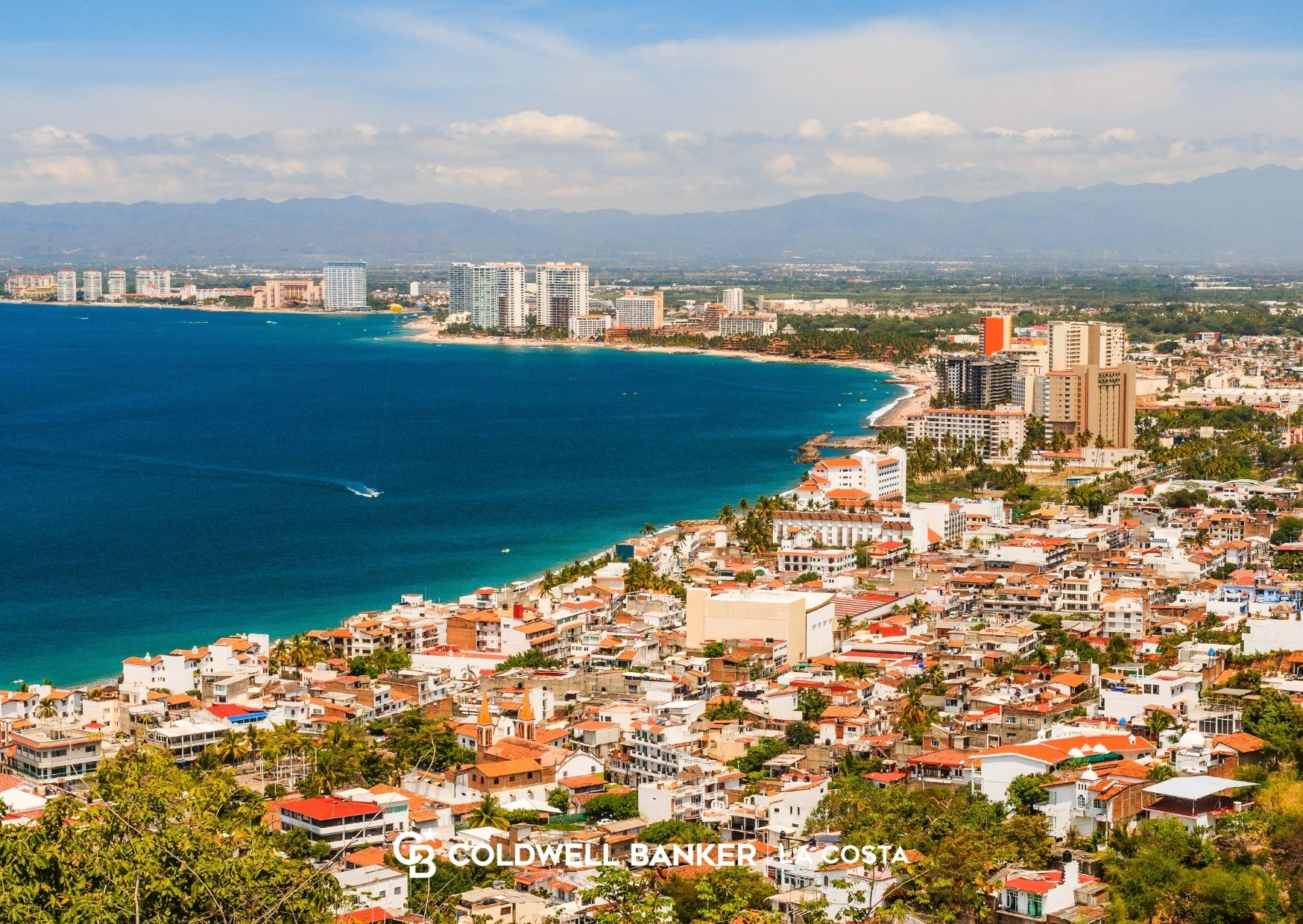
Is Puerto Vallarta safe? The short answer
Yes. The vast majority of U.S. and Canadian buyers, retirees, and remote workers who live in Puerto Vallarta and Riviera Nayarit report a daily experience closer to a well-run resort town than a high-risk destination. Puerto Vallarta sits inside Jalisco state, which carries a broader U.S. State Department advisory driven mostly by conditions far outside the bay, and the resort and residential corridors that buyers actually live in have a long track record of ordinary, walkable, low-drama daily life. That said, "safe" is not the same as "risk-free" anywhere, including the United States and Canada, so this guide walks through what the official advisory says, what a real isolated incident earlier this year actually involved, and what day-to-day precautions longtime expats take.
What the U.S. State Department advisory actually says
The U.S. State Department's Mexico Travel Advisory is published as a state-by-state document rather than a single national rating. As of mid-2026, Jalisco, the state that contains Puerto Vallarta, carries a Level 3, "Reconsider Travel," advisory, while neighboring Nayarit, home to Riviera Nayarit communities like Bucerias, Nuevo Vallarta, and Punta de Mita, sits at Level 2, "Exercise Increased Caution." Those headline numbers are easy to misread if you stop there.
The State Department's own guidance is explicit that the advisory is written state by state, and that conditions vary enormously within a single state. Jalisco's Level 3 rating is driven mainly by inland and border activity connected to organized crime, not by the coastal Banderas Bay corridor that includes Puerto Vallarta, Marina Vallarta, and the Hotel Zone. The practical result is that the resort and residential zones where buyers actually shop, live, and send their kids to school are treated differently on the ground than the headline state-level number suggests.
| Advisory level | What it means | Where it applies here |
|---|---|---|
| Jalisco, Level 3 | Reconsider travel | Statewide rating; driven mainly by inland and border areas, not the Banderas Bay coastline |
| Nayarit, Level 2 | Exercise increased caution | Covers Riviera Nayarit communities such as Bucerias, Nuevo Vallarta, and Punta de Mita |
| Mexico, national baseline | Level 2, exercise increased caution | The national headline number most search results and AI summaries default to |
Every buyer should read the current advisory directly at travel.state.gov before finalizing travel plans, since these ratings are reviewed and can change. Coldwell Banker La Costa does not set or interpret U.S. government policy; we simply help buyers understand the document so they can make an informed decision rather than reacting to a single headline number.
The February 2026 security operation, explained
Buyers researching Puerto Vallarta safety in 2026 sometimes come across news from late February referencing a security operation in Jalisco. Here are the facts. On February 22, 2026, Mexican federal forces carried out a law enforcement operation against a wanted cartel figure in Jalisco state. In the immediate aftermath, the U.S. Embassy issued a short-term shelter-in-place notice and a nighttime curfew for its own government staff in Guadalajara, Puerto Vallarta, and Ciudad Guzman. By February 24, just two days later, the Embassy confirmed that public transportation and businesses had returned to normal operations, lifted the shelter-in-place guidance, and reported that flights in and out of Puerto Vallarta, including added capacity, were running on schedule.
We covered this in detail as it unfolded; see our full recap in Puerto Vallarta Returns to Normal Following Brief Feb. 22 Incident. The episode is a useful case study precisely because it shows how the system is designed to work: a targeted law enforcement action, a brief and localized precaution, and a fast return to normal, all documented in real time by the U.S. government's own channels rather than secondhand reporting.
What safety looks like day to day
For the thousands of American and Canadian retirees, remote workers, and second-home owners already living in Puerto Vallarta and Riviera Nayarit, daily safety concerns look a lot like they would in any well-visited coastal city: watching your belongings on the beach and in restaurants, using licensed taxis or ride-hailing apps rather than unmarked cars, and staying aware of your surroundings at night, the same habits a careful visitor would use in Miami, San Diego, or Vancouver. Violent crime affecting tourists or resident foreigners in the main tourist and residential corridors is rare, and it is not the pattern driving the state-level advisory.
Gated residential communities, condominium buildings with 24-hour staff, and HOA-managed developments are common across Marina Vallarta, Nuevo Vallarta, Punta de Mita, and the Hotel Zone, and many buyers specifically choose these for the added layer of managed access and on-site security. Local and state police maintain a visible presence in the tourist and hotel corridors, and the municipal government has continued to invest in public safety infrastructure, including lighting and camera coverage, along the Malecon and main beach areas.
Which neighborhoods buyers ask about most
Buyers researching safety often narrow the question to a specific neighborhood rather than the whole metro area. Marina Vallarta, with its gated condo towers and marina walkway, and the Hotel Zone, dense with resorts and pedestrian traffic day and night, are consistently described by residents as comfortable for evening walks. Conchas Chinas and the southern hillside neighborhoods offer a quieter, more residential feel with private access roads. Across the bay, Nuevo Vallarta and Punta de Mita in Riviera Nayarit are largely master-planned resort communities with private security at community entrances. As with any city, downtown commercial corridors warrant the same street-smart habits you would use in a downtown neighborhood back home, particularly late at night.
Precautions experienced expats actually take
Ask a longtime Puerto Vallarta expat what they actually do differently from life in the U.S. or Canada, and the list is short and practical.
- Use Uber or a vetted, radio-dispatched taxi rather than hailing an unmarked car on the street.
- Keep a copy of passports and important documents stored separately from the originals.
- Enroll in the U.S. State Department's Smart Traveler Enrollment Program, or the Canadian government's equivalent registration, so the embassy can reach you if conditions change.
- Choose a condo or gated community with on-site staff if living alone or splitting time between countries.
- Check the live travel.state.gov advisory before booking flights for visiting family, since specific guidance can be updated between visits.
None of this is unique to Mexico. It is the same baseline awareness a careful homeowner practices in any major North American metro area, adapted to a place where the local systems and language are simply less familiar at first.
Frequently asked questions
Is Puerto Vallarta safe for American and Canadian buyers in 2026?
Yes, for the large majority of visitors and residents. The state-level advisory for Jalisco is driven mainly by conditions outside the Banderas Bay tourist and residential corridors, where day-to-day life for buyers, retirees, and remote workers has a long track record of running smoothly.
What does the U.S. State Department Jalisco advisory mean for Puerto Vallarta?
Jalisco carries a Level 3, "Reconsider Travel," rating overall, while Nayarit is Level 2. Both ratings are written statewide and reflect inland and border conditions more than the coastal corridor. Buyers should always confirm the current, live advisory at travel.state.gov before travel.
What happened during the February 2026 incident, and is it still a concern?
On February 22, 2026, Mexican federal forces carried out a law enforcement operation in Jalisco. The U.S. Embassy issued a brief shelter-in-place notice and staff curfew, then lifted those restrictions and confirmed normal operations within two days. It was a short, localized event, not an ongoing condition.
What neighborhoods in Puerto Vallarta are considered safest for buyers?
Gated and staffed communities such as Marina Vallarta, Nuevo Vallarta, and Punta de Mita are popular specifically for their managed access and on-site security, alongside quieter residential areas like Conchas Chinas. Your Coldwell Banker La Costa advisor can walk specific streets and buildings with you during a scouting trip.
What everyday safety precautions do expats in Puerto Vallarta take?
Most rely on ride-hailing apps or vetted taxis instead of unmarked cars, register with their government's traveler program, keep documents secured, and choose condos or communities with on-site staff, the same habits a careful resident would use in any major North American city.
Have safety questions specific to a neighborhood or building you're considering? Talk it through with a local advisor who lives here.
Contact Coldwell Banker La CostaThis article is for general informational purposes and reflects publicly available U.S. State Department travel advisory information as of August 2026. It is not legal, safety, or travel advice. Advisory levels change; always confirm current guidance directly at travel.state.gov before making travel or relocation decisions. Coldwell Banker La Costa. Each office is independently owned and operated. Equal Housing Opportunity.