


BUYING IN MEXICO, SIMPLIFIED
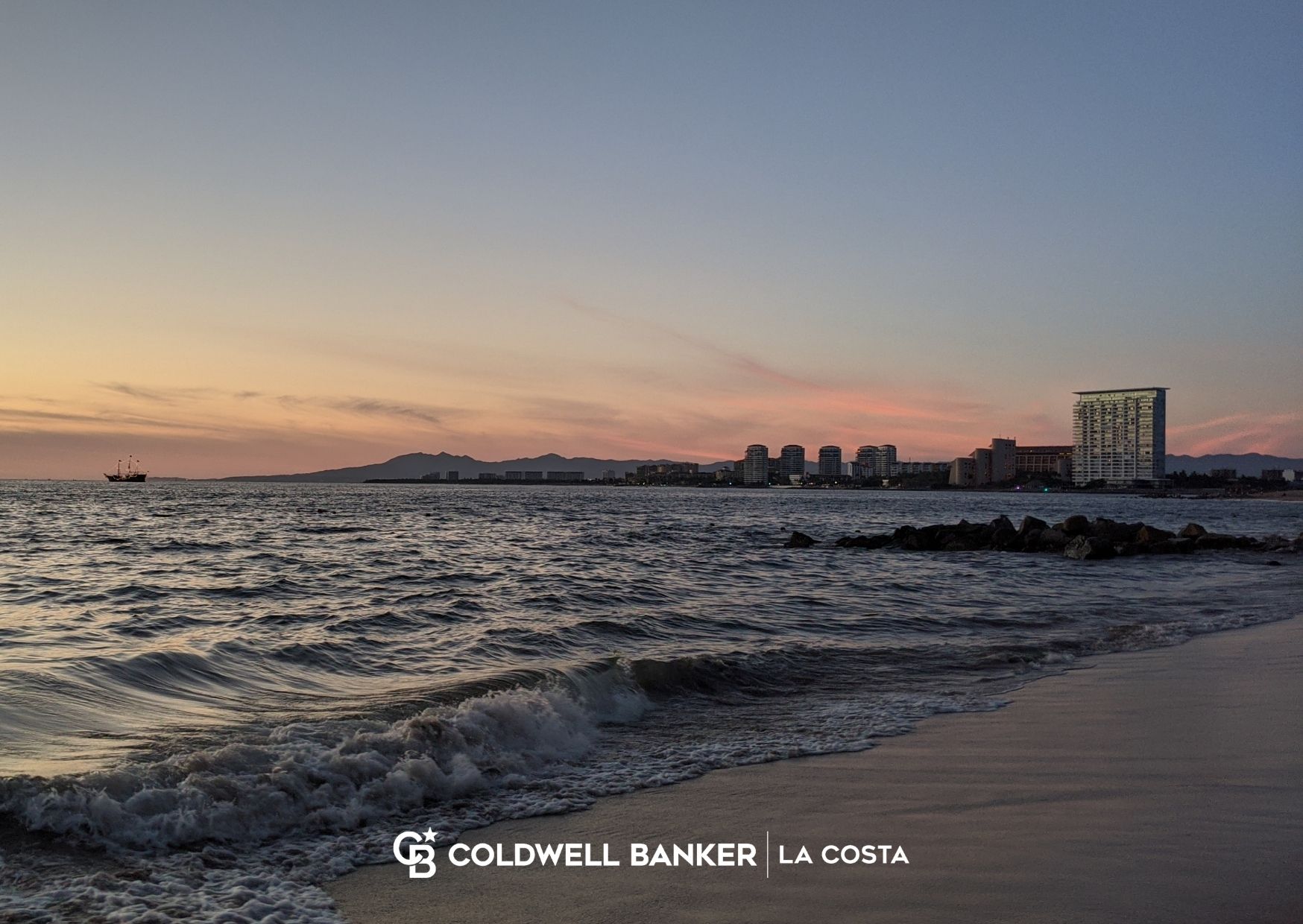
Yes, foreigners can buy property in Mexico, including in Puerto Vallarta and Riviera Nayarit. The only wrinkle is location: land within 50 kilometers of the coast or 100 kilometers of a border sits inside what Mexican law calls the restricted zone, and there, foreign buyers hold residential property through a fideicomiso, a renewable 50-year bank trust that grants full ownership rights to use, rent, renovate, sell, and will the property to heirs. It is not a lease and the bank has no say in how you use the home.
What Is the Restricted Zone, and Why Does It Exist?
Article 27 of the Mexican Constitution restricts direct foreign land ownership within 100 kilometers of any international border and 50 kilometers of any coastline. This zone was written into law decades ago for national security reasons, protecting the country's borders and coastlines from foreign land control. Puerto Vallarta, Nuevo Vallarta, Bucerias, Punta de Mita, and effectively all of Banderas Bay and Riviera Nayarit fall inside it, since the region sits directly on the Pacific coast.
Outside the restricted zone, meaning inland cities like Guadalajara, Mexico City, San Miguel de Allende, or Queretaro, foreigners buy property the same way Mexican nationals do: with a standard deed (escritura) in their own name. The restricted zone rule only applies to the coastal and border strip, which happens to include nearly every popular second-home and retirement market in the country.
So How Do Foreigners Legally Own Coastal Property?
Two structures let foreign buyers hold restricted zone property legally and fully. Nearly every individual buyer in Puerto Vallarta uses the first one.
The Fideicomiso Bank Trust
A fideicomiso is a trust agreement between the buyer and a Mexican bank, authorized and regulated by the Mexican government. The bank holds the title as trustee, and the buyer is named the beneficiary with the right to use, occupy, improve, rent, sell, mortgage, and pass the property to heirs, all without needing the bank's approval for any of it. The trust runs for an initial term of 50 years and is renewable indefinitely, so in practice it never expires as long as the annual fee is paid.
The Mexican Corporation Route
Buyers who plan to hold multiple properties, run a rental business at scale, or use the real estate for commercial purposes sometimes form a Mexican corporation (typically an S.A. de C.V.) to hold title directly, since corporations are not restricted the same way individuals are. This route carries more setup cost, annual accounting, and tax filing obligations, so it makes sense for an active investment portfolio rather than a single vacation home.
Fideicomiso vs. Corporation: Which Is Right for You?
For most buyers purchasing one home for personal use, occasional rental income, or eventual retirement, a fideicomiso is simpler, cheaper to maintain, and the structure Mexican banks and notarios are set up to process quickly. The table below compares the two side by side.
| Factor | Fideicomiso | Mexican Corporation |
|---|---|---|
| Best for | A single home for personal use or vacation rental | Multiple properties or an active rental business |
| Setup cost | Lower, roughly $500 to $1,500 USD | Higher, includes incorporation and legal fees |
| Annual maintenance | One trustee bank fee, roughly $500 to $700 USD | Ongoing accounting, tax filings, and corporate compliance |
| Term | 50 years, renewable indefinitely | No fixed term |
| Rental income | Allowed, reported individually | Allowed, reported as business income |
| Resale | Sell the beneficiary rights; straightforward | Sell shares or the property; more paperwork |
What a Fideicomiso Actually Lets You Do
According to the notarios and trustee banks that process these trusts across Banderas Bay, the beneficiary of a fideicomiso can do everything a titled owner can do, in practice:
- Live in the property full time or part time, with no restriction on how many months per year
- Rent it out short term or long term, including through Airbnb and vacation rental platforms
- Renovate, remodel, or rebuild, subject to the same municipal permits any owner needs
- Sell at any time, at any price, and keep the proceeds
- Name a beneficiary directly in the trust so the property passes to heirs without Mexican probate
- Mortgage or use the property as collateral where a lender allows it
What It Costs to Set Up and Maintain a Fideicomiso
Budget for two kinds of cost: a one-time setup and a small annual fee for the life of the trust.
These figures sit on top of Mexico's standard closing costs (typically 5 to 7 percent of the purchase price, covering the acquisition tax, notario fees, and registration), which apply whether you buy through a fideicomiso or a corporation.
The Step-by-Step Process in Puerto Vallarta and Riviera Nayarit
- Choose the property and sign an offer. Your agent negotiates price and terms and you sign a purchase agreement, typically with an escrow deposit.
- Apply for the foreign investment permit. Your notario public applies to the Ministry of Foreign Affairs (SRE) for the permit that authorizes a foreigner to hold the property in trust.
- Select a trustee bank. Any major Mexican bank can serve as trustee; your closing team typically recommends one with a strong track record in the region.
- The notario prepares and files the trust deed. The notario public, a specialized Mexican legal official, drafts the fideicomiso and registers it with the Public Registry of Property.
- Closing and funding. You pay the purchase price, closing costs, and the fideicomiso setup fee, and the notario finalizes the registration in your name as beneficiary.
- Ongoing renewal. You pay the annual trustee fee going forward; the bank handles the paperwork to keep the trust active.
Common Myths About Foreign Ownership in Mexico
Myth: "I'm just renting from the bank for 50 years." Not accurate. You hold full beneficial ownership from day one: you can sell, rent, renovate, and will the property exactly as an owner would, and the trust renews indefinitely.
Myth: "Foreigners can't own beachfront property in Mexico at all." Not accurate. Foreigners own beachfront property throughout Puerto Vallarta and Riviera Nayarit every day, through the fideicomiso structure described above.
Myth: "The bank can seize or sell my property." Not accurate. The bank cannot sell, rent, or use the property without your written instruction as beneficiary. Its role is strictly custodial.
Frequently Asked Questions
Can foreigners buy property in Mexico?
Yes. Foreigners can buy any property in Mexico. Land within the restricted zone, meaning within 50 kilometers of the coast or 100 kilometers of a border, is held through a fideicomiso bank trust or a Mexican corporation rather than a direct deed, while land outside the restricted zone is deeded directly, the same way it would be for a Mexican national.
Is a fideicomiso safe?
Yes. The fideicomiso system has been used by foreign buyers since 1973, is regulated by the Mexican government, and is administered by licensed Mexican banks. Millions of foreign-owned properties across Mexico's coastlines are held this way, including throughout Puerto Vallarta and Riviera Nayarit.
What happens to the property when the 50-year trust term ends?
The trust is renewed for another 50-year term before it expires, a routine administrative process handled by the trustee bank. In practice, a fideicomiso does not have a real expiration date as long as the annual fee is kept current.
Can I get a mortgage on a fideicomiso property?
Yes, in many cases. Some Mexican banks and cross-border lenders offer financing secured against a fideicomiso property, though terms and lender appetite vary by location and property type. Ask your Coldwell Banker La Costa advisor for current lender referrals.
Do I need a Mexican corporation instead of a fideicomiso?
Most individual buyers purchasing one home do not. A corporation typically makes more sense for buyers acquiring multiple properties or running an active rental business, since it carries higher setup and ongoing accounting costs than a fideicomiso.
Have questions about buying property in Puerto Vallarta or Riviera Nayarit? Our team can walk you through the fideicomiso process step by step.
Contact Our Team See the Full Buying GuideThis article is for general informational purposes only and is not legal, tax, or financial advice. Foreign ownership rules and closing costs can vary by property and municipality; consult a licensed Mexican notario public or attorney before making a purchase decision. Coldwell Banker La Costa is an independently owned and operated office. Coldwell Banker La Costa is proud to support the Equal Housing Opportunity. Each office is independently owned and operated.